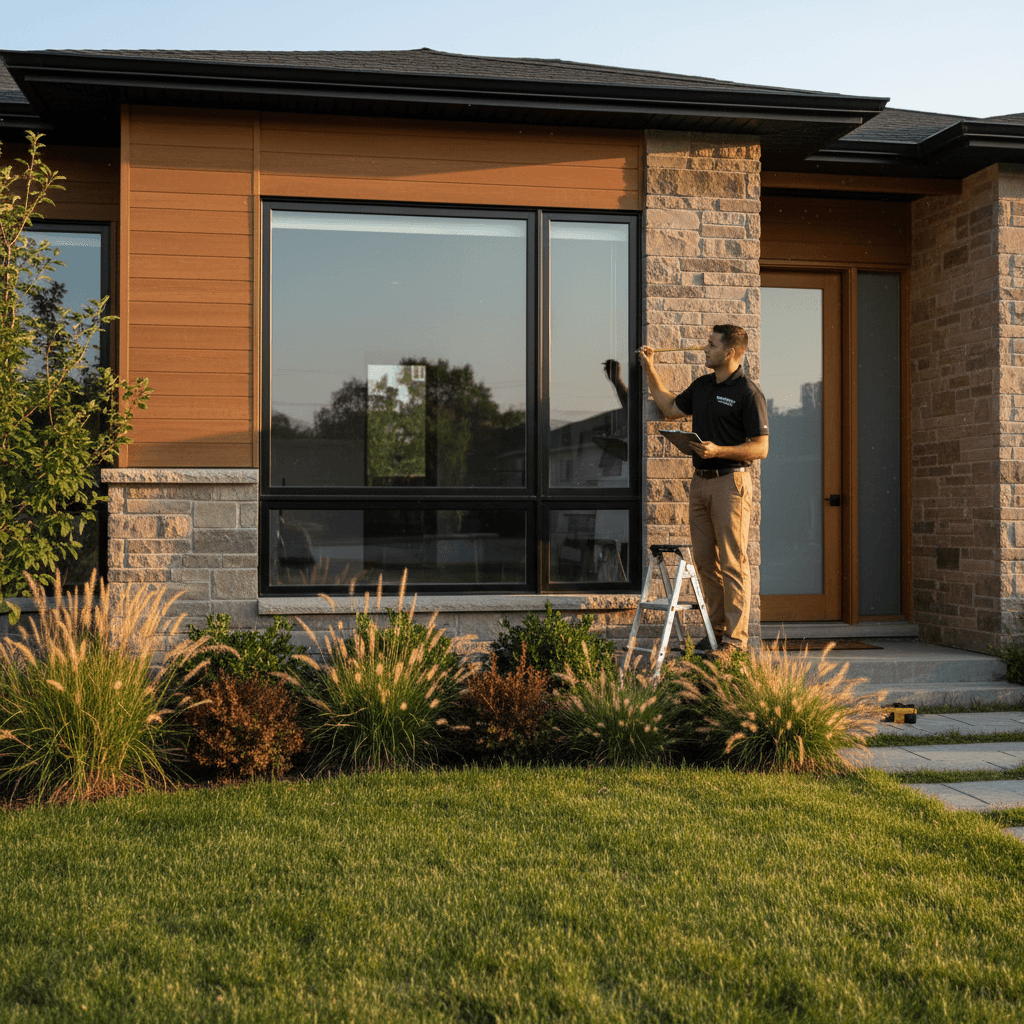

Triple-pane vinyl or fiberglass windows with Low-E coatings and argon gas fill are the best windows for Toronto winters because they provide maximum thermal insulation against sub-zero temperatures. These high-performance units significantly reduce heat loss and condensation; however, double-pane windows with high-efficiency ratings also serve as a quality alternative for homeowners on a budget.
If your heating bill spikes every January and you still feel a cold draft near your windows despite cranking up the thermostat, you are not imagining things. Toronto winters are genuinely brutal on residential windows, cycling through hard freezes, rapid thaws, ice storms, and biting lake-effect winds that most window specs are not designed to reflect. Choosing the wrong window, or even the right window installed poorly, can cost you hundreds of dollars a year in wasted heat and thousands in long-term frame damage. In this guide, you will learn exactly what window features matter most for the GTA climate, how to decode specs like Low-E coatings and argon fills, which frame materials hold up through freeze-thaw cycles, and why installation quality is just as critical as the product itself.
Why Toronto Winters Are Harder on Windows Than Most Canadians Realize
Toronto gets cold in ways that catch even long-time residents off guard. Temperatures drop to -20C regularly in January and February, and wind chills can push that to -35C. But what makes Toronto's winters uniquely punishing on windows isn't just the cold itself. Lake Ontario drives lake-effect wind and moisture pressure across the city in patterns that inland Canadian cities like Calgary or Ottawa simply don't experience the same way. That combination of sustained cold, humidity, and wind loading puts windows under constant stress for months at a stretch.
Here's the part most homeowners don't fully reckon with: windows account for up to 25% of a home's total heat loss. That's not a small variable. On a -20C night, a window that isn't performing is actively working against your furnace, your comfort, and your gas bill.
Older Toronto neighbourhoods carry a particular risk. Homes in The Beaches, Leslieville, and Cabbagetown are full of character, but many still have single-pane windows or early-generation double-pane units installed before modern Low-E coatings and gas fills became standard. Those windows weren't built for what we now understand about thermal performance, and they show it every January.
Choosing the best windows for Toronto winters isn't a style decision. It's a practical one with real consequences for energy costs, indoor air quality, and home safety.
Triple-Pane vs Double-Pane Windows: The Real Trade-Off for GTA Homeowners
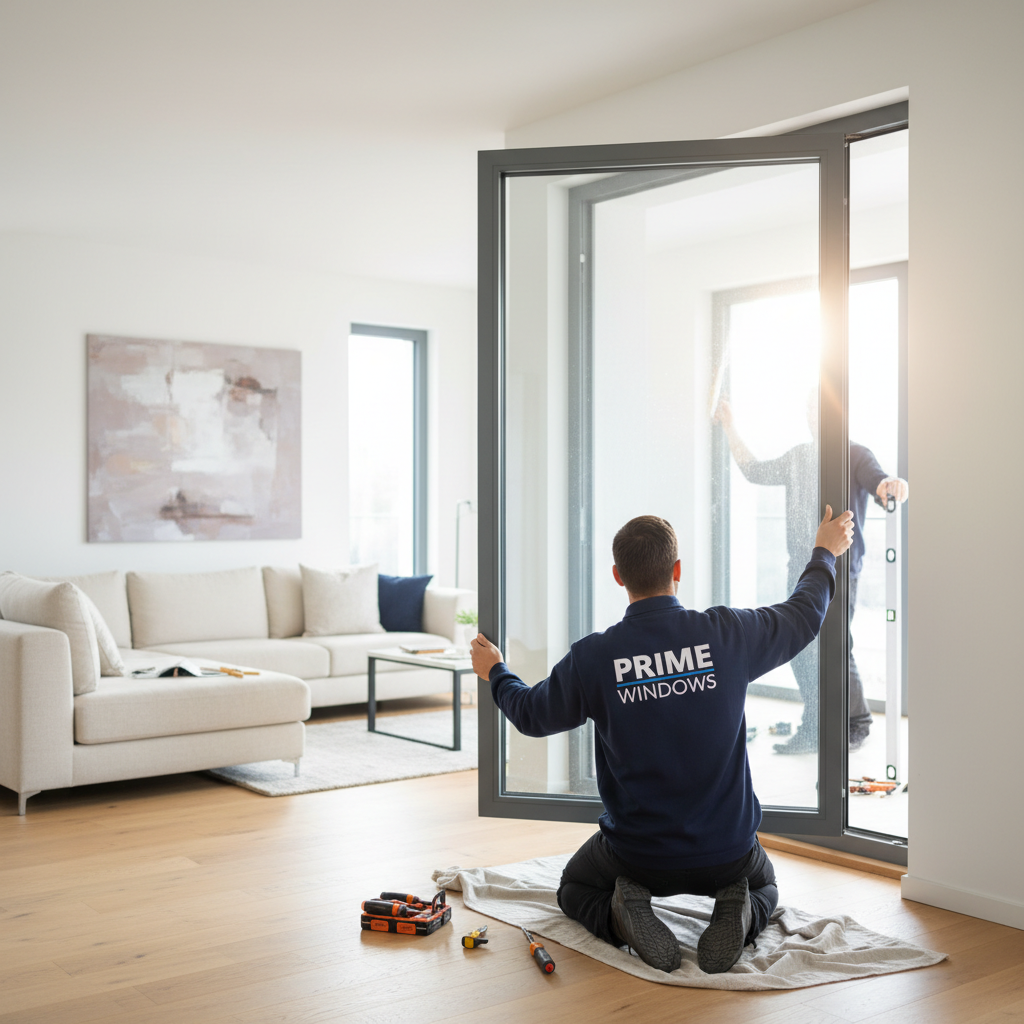
That 25% heat loss figure means every window decision carries real financial weight. So when homeowners ask about triple-pane versus double-pane, they deserve a straight answer rather than a default pitch toward the more expensive option.
Here is how the numbers actually break down. Triple-pane windows use three glass layers and two sealed gas chambers, which pushes U-factors below 0.20. That meaningfully exceeds Toronto's Energy Star Zone 2 requirement of 0.27 or lower. The performance gap is real, especially on nights when wind chill is sitting at -30C and your furnace is working hard to compensate.
Double-pane windows with Low-E coatings and argon gas fills can meet that Zone 2 minimum, and they come in at roughly 20 to 30% less upfront cost. For a full-house replacement, that difference can run into thousands of dollars.
The honest contractor take is this: the right answer depends on the specific window, wall, and room in question.
Triple-pane makes clear sense for north-facing exposures, rooms that have always run cold, homes in The Beaches or Leslieville with aging frames and no meaningful insulation buffer, and any wall directly exposed to Lake Ontario winds.
Double-pane Low-E argon is a reasonable choice for south or west-facing windows with good solar gain, interior-adjacent walls with additional insulation, or situations where budget genuinely constrains the full scope of a replacement project.
The mistake most homeowners make is treating every window in the house identically. A bedroom facing a sheltered courtyard has different demands than a living room wall pointing straight north into a January wind.
As part of our window installation services across the GTA, fixnclean assesses each home individually before making a recommendation. The goal is matching the right product to the right opening, not applying the same specification to every job.
Low-E Coatings, Argon Gas Fills, and Warm-Edge Spacers: What the Specs Actually Mean

Once you understand the triple-pane versus double-pane trade-off, the spec sheet on any window starts throwing terms at you: Low-E, argon fill, warm-edge spacers. Most articles list them without explaining what they actually do. Here is what they mean in plain terms.
Low-E coatings are microscopically thin metallic layers applied to the glass surface. Think of them like a one-way mirror for heat: radiant warmth from inside your home tries to escape through the glass, and the Low-E layer reflects it back into the room. Without it, that heat passes straight through. In a Toronto January, that difference is measurable on your gas bill and felt immediately when you sit near the window.
Argon gas fills replace the regular air between panes with a denser gas. Denser gas is simply harder for heat to move through, which slows the transfer between inside and outside. Krypton is denser still and performs better in tighter spaces, which is why it is often the right choice in triple-pane units where the chambers are narrower. The trade-off is cost; krypton carries a premium that is generally worth it in triple-pane configurations.
Warm-edge spacers are the piece most articles skip over entirely. The spacer runs along the perimeter of the glass unit and holds the panes apart. Older aluminum spacers conduct cold straight to the glass edge, creating a chilled zone where condensation collects. In Toronto, that shows up as moisture along the bottom frame corners every January and February, even on windows where the centre glass feels fine.
A window with good centre-glass specs but poor spacer materials will still produce that telltale condensation line. It is a small detail with a noticeable real-world impact in our climate.
Frame Materials: Vinyl, Fiberglass, and Wood in Toronto's Freeze-Thaw Cycles
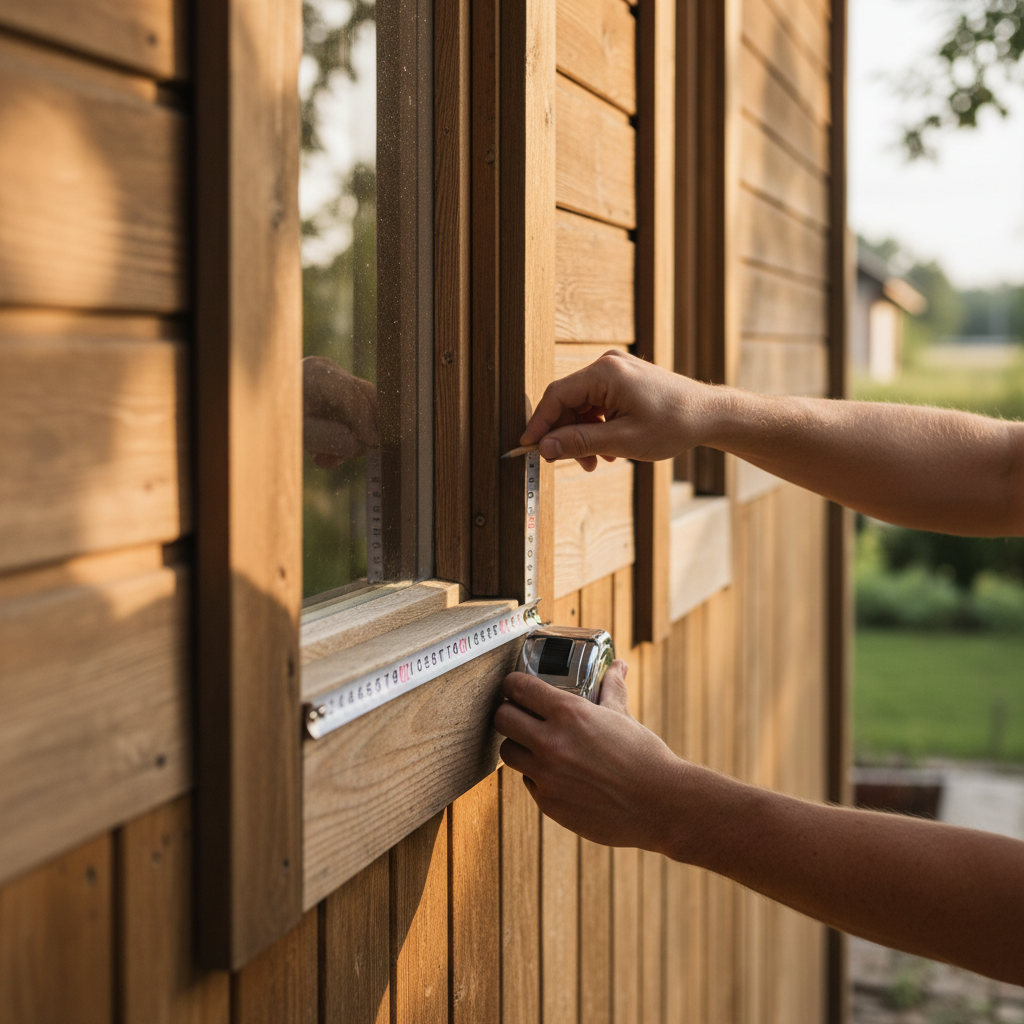
The spacer discussion brings us to a related but distinct problem: the frame itself. Glass specs matter, but the frame holding that glass is what actually survives Toronto's freeze-thaw cycles, and those cycles are relentless. A single winter can bring a dozen swings through the freezing point, and that repeated expansion and contraction is where cheap materials fail visibly over time.
Vinyl is the most common frame material across Toronto for good reason. Multi-chambered vinyl insulates well, requires almost no maintenance, and holds up reliably when the product quality is there. The catch is that lower-grade vinyl can start warping or discolouring within 10 to 15 years, particularly on south-facing exposures that get direct summer sun. The difference between quality vinyl and budget vinyl is not visible on installation day; it shows up a decade later.
Fiberglass is the frame material that handles freeze-thaw stress best from a physics standpoint. It expands and contracts at nearly the same rate as glass, which means the seal between frame and glazing stays intact longer. For older brick homes in Toronto, where the structure itself shifts slightly between seasons, that dimensional stability matters more than it does in newer builds. The upfront cost is higher, but the lifespan typically justifies it.
Wood and wood-clad frames suit the Victorian and Edwardian homes throughout Roncesvalles, The Annex, and Trinity-Bellwoods, where matching original character matters. The trade-off is real: wood absorbs moisture, requires periodic painting or sealing, and demands more attention than vinyl or fiberglass.
Aluminum frames, it is worth stating plainly, are a poor fit for Toronto winters. They conduct cold directly through the frame, creating thermal bridging that undermines whatever the glass is doing. They belong in commercial curtain wall applications, not residential windows in a climate like ours.
Casement, Awning, and Double-Hung: Which Window Style Seals Best Against Cold Air
Frame material and glass specs get most of the attention in window conversations, but the operating style of a window determines how well it actually seals against moving air. In Toronto's winters, that distinction matters more than most homeowners realize until they see the heating bill.
Casement windows are the top contractor recommendation for cold-climate performance. When you crank a casement closed, the sash presses firmly against the frame using a compression seal, similar in principle to how a refrigerator door seals. There are no sliding parts, no gaps where two sashes overlap; the seal is continuous around the entire perimeter. That mechanical advantage makes casements the tightest-sealing operable window available.
Awning windows, hinged at the top and swinging outward, use the same compression-seal principle. They are a practical choice for basement openings where ground clearance makes a side-hinged casement awkward, and they maintain their seal even during light rain.
Double-hung windows are where the trade-off becomes concrete. Two sashes slide vertically past each other, which by design creates multiple points where air can infiltrate. Weatherstripping helps, but the geometry of a sliding sash simply cannot match a compression seal. Double-hungs are more affordable and suit the traditional streetscape of older Toronto neighbourhoods, but in a January wind at -20C, a poorly sealing unit can add several hundred dollars to annual heating costs.
Fixed or picture windows have no moving parts at all, making them the most airtight option by a wide margin. For walls where ventilation is not needed, they are worth considering specifically because of that.
When prioritizing the best windows for Toronto winters room by room, the operating style should be part of that conversation alongside glass specs and frame material.
What Ontario's Energy Star Requirements Actually Mean for Your Window Purchase
Operating style narrows the field considerably, but once you know which window type fits a given opening, the certification labels on the product become the next filter worth understanding rather than ignoring.
Toronto sits in Energy Star Canada Climate Zone 2. In practical terms, that means any window earning the Energy Star designation must meet a maximum U-factor of 0.27, along with specific Solar Heat Gain Coefficient requirements calibrated for a mixed-heating climate. The U-factor measures how much heat escapes through the entire window assembly, glass and frame together, so a lower number means better thermal resistance. A window at 0.27 meets the minimum; the triple-pane units discussed earlier push below 0.20, which is meaningfully ahead of that threshold.
Energy Star certified windows perform approximately 20% better than standard uncertified products. That gap matters when you are making a purchase intended to last 20 to 30 years.
The more urgent point for homeowners acting in 2025 and 2026: Ontario's building code is in the process of tightening minimum efficiency requirements for replacement windows. Buying to today's minimum puts you at the bottom of a bar that is actively moving upward. Buying ahead of it means the windows you install now remain compliant and competitive in efficiency for longer.
Some utility-based rebate programs through providers like Enbridge Gas have offered incentives for qualifying window upgrades in Ontario. Eligibility and program availability shift regularly, so verifying current terms before purchase is worth a phone call. If you want guidance specific to your home and location, get a free window assessment before committing to a product.
The Installation Factor: Why Even the Best Window Fails in a Toronto Winter
Certification labels and frame specs only tell part of the story. The other part happens on installation day, and it is where the gap between a performing window and a disappointing one usually opens up.
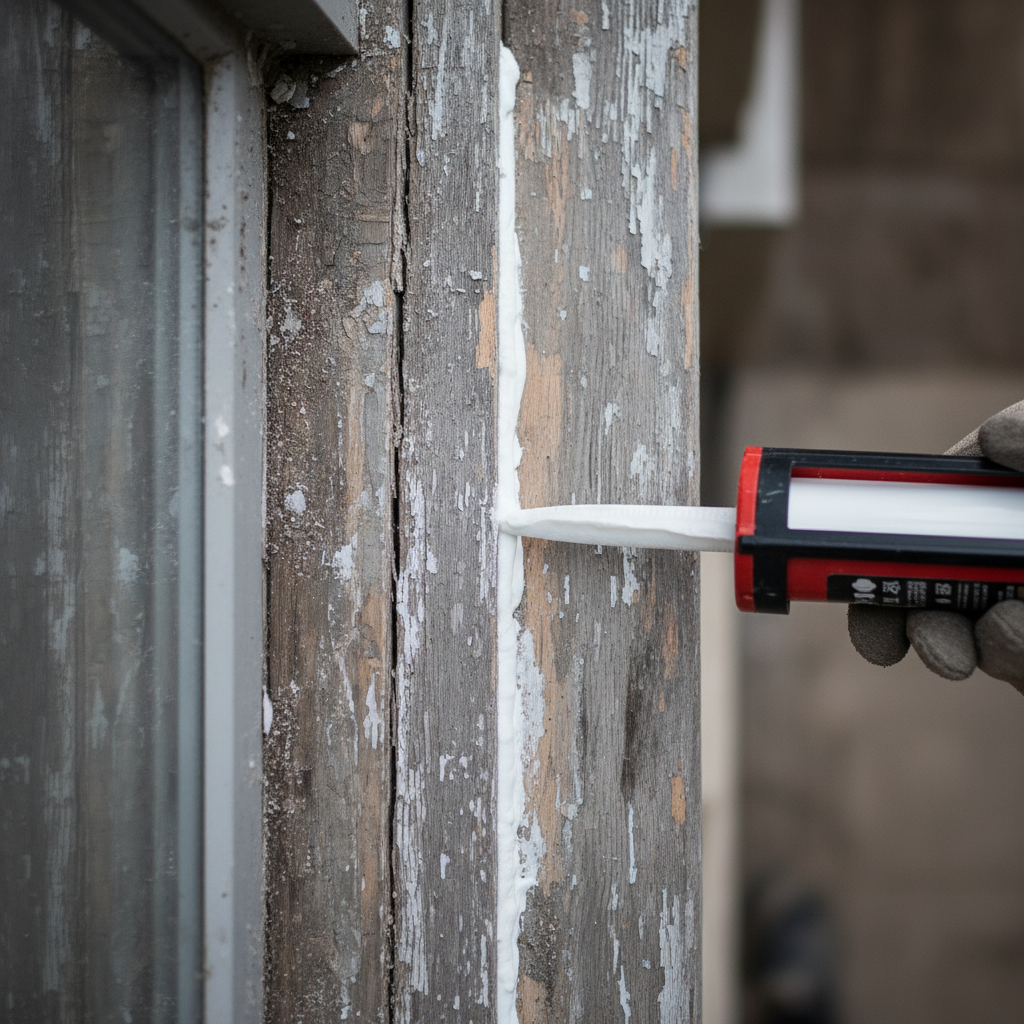
Gaps around the rough opening are the number-one cause of cold drafts in homes that have just had new windows installed. The window itself may be a top-tier triple-pane fiberglass unit, but if the space between the frame and the surrounding structure is not properly air-sealed, that gap becomes a direct channel for -20C air. Correct installation means layering expanding foam and flashing tape into that rough opening before the window is ever set, not as an afterthought.
The window also needs to sit perfectly level and plumb. A casement or awning unit that is slightly out of square will not compress evenly against its seal, which defeats the compression advantage those styles are specifically chosen for. Exterior caulking is the final layer, and it needs to be a product rated for Toronto's full temperature range, not a general-purpose tube grabbed off a shelf.
Fixnclean's installation process includes a final inspection specifically checking for air gaps before the job is closed out. For homeowners who want to verify the work themselves, hold a lit candle or incense stick near the frame edges on a windy day. If the flame flickers, call your installer back.
Choosing the right windows for the Toronto climate involves balancing thermal performance with long-term durability. By focusing on high-quality materials and energy-efficient designs, you can keep your home warm and your energy bills low throughout 2025. If you want expert help selecting and maintaining your exterior fixtures, exploring our professional services might be the right next step. Our team ensures every installation meets the specific demands of our local winters, giving you peace of mind and a much more comfortable home.