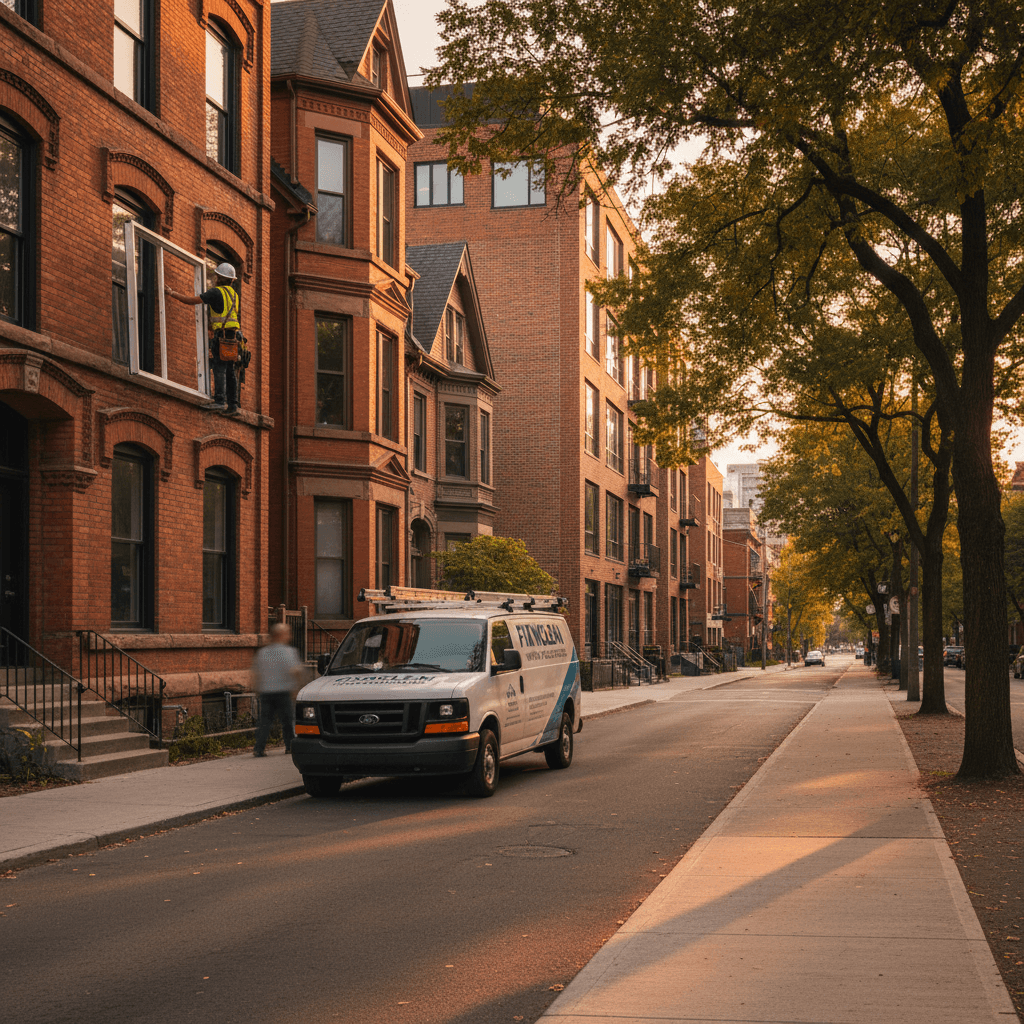
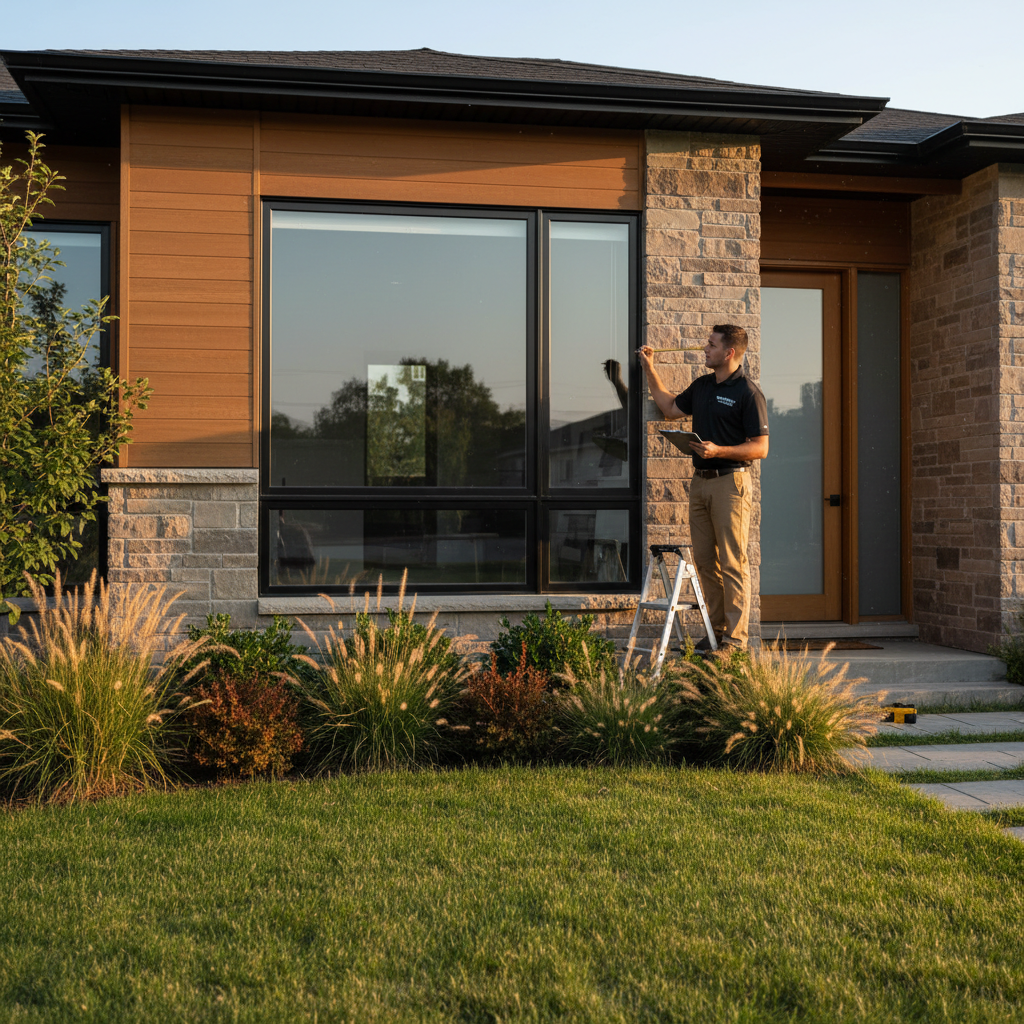
Determining when to replace windows Toronto involves checking for drafty seals, significant frame deterioration, and rising energy costs. Homeowners typically choose warmer months for installation to ensure energy efficiency and comfort; however, immediate action is necessary if locks fail or frames become soft.
Your heating bill keeps climbing, yet your home never quite feels warm near the windows during a Toronto winter. You have noticed the draft, maybe some condensation between the panes, or a frame that no longer sits quite right, but you are not sure whether you need a full replacement or just a repair. In a city where temperatures swing from minus 20 to plus 35, windows work harder than almost anywhere else in Canada, and the cost of waiting too long adds up fast. This guide will walk you through exactly how long Toronto windows realistically last, the specific warning signs that mean replacement is overdue, how to weigh repair against replacement, and what the process actually costs across the GTA.
TL;DR: Quick Signs It Is Time to Replace Your Windows in Toronto
Not sure if your windows need replacing? Here are the clearest signs Toronto homeowners should watch for:
Windows over 20-25 years old, especially single-pane or early double-pane units still common in older Toronto neighbourhoods
Condensation or fogging between the panes, which signals a failed sealed unit that cannot be fixed by cleaning
Drafts near closed and locked windows, a common issue after Toronto's harsh freeze-thaw winters
Rising heating or cooling bills without another obvious cause, often traced back to failing window seals
Visible frame rot, soft wood, or crumbling caulk, particularly in wood-frame homes
Difficulty opening, closing, or locking, usually caused by warped frames from years of seasonal expansion and contraction
How Long Do Windows Actually Last in Toronto's Climate
Those quick signs above give you a starting point, but lifespan context matters just as much. If you know how old your windows are, you can calibrate how seriously to take each symptom.
In Ontario, most windows have a functional lifespan of 15 to 25 years, but that range assumes average conditions. Toronto's climate is anything but average. Summer humidity pushes moisture into frames and seals, freezing winters drive thermal contraction, and the repeated freeze-thaw cycles through February and March are particularly destructive. That cycling expands and contracts frames and sealants dozens of times each season, wearing them out faster than windows in milder climates like Vancouver or coastal cities in the US.
Frame material shapes lifespan significantly:
Frame Type | Expected Lifespan in Ontario |
|---|---|
Vinyl | 20 to 40 years |
Wood | 10 to 20 years (with consistent maintenance) |
Aluminum | 15 to 25 years |
Wood frames lose their advantage quickly when maintenance lapses, which is a real concern in Toronto's heritage housing stock. Homes in The Annex, Riverdale, and East York frequently still have original wood-frame windows from Edwardian or Victorian construction. At 40 or more years old, the honest answer is yes, those windows almost certainly need replacing. The sealed units are long failed, the frames have cycled through thousands of freeze-thaw events, and no amount of recaulking restores their thermal performance.
Even vinyl windows installed in the late 1990s or early 2000s are reaching the end of their useful life now, especially if they were entry-level units. Age alone is not the only factor, but it sets the baseline for how much useful life your window repair and replacement services assessment will realistically find remaining.
7 Warning Signs Your Toronto Home Windows Need Replacing

Age gives you context, but symptoms tell you what to act on. Here are the seven warning signs Toronto homeowners should take seriously, along with an honest read on whether repair or replacement is the right call for each.
1. Condensation or fog between the panes This one is not fixable by cleaning. Fogging between double-pane glass means the sealed unit has failed and the inert gas fill has been replaced by humid air. The only real fix is replacing the sealed glass unit or the full window.
2. Drafts near closed and locked windows Run your hand along the frame edges on a cold January day. A noticeable chill points to failed weatherstripping or a warped frame. Toronto's freeze-thaw cycles put repeated stress on frames each winter, and older homes in Riverdale or East York feel this acutely. Weatherstripping replacement is worth trying first on frames under 15 years old; persistent drafts after that repair point toward full replacement.
3. Rising heating and cooling bills Toronto winters regularly sit between -10°C and -15°C for stretches at a time. A window with a compromised seal forces your furnace to compensate continuously. Research consistently shows that drafty or failed windows can account for 10 to 25% of residential heat loss. If your bills have climbed without a clear explanation, your windows are a logical first place to look.
4. Difficulty opening, closing, or locking Frames expand in summer humidity and contract in winter cold. Over many years, that cycling warps the frame enough that the sash no longer sits flush. A lock that no longer engages cleanly is also a security concern. Hardware adjustments sometimes help on newer units, but persistent misalignment in an older frame usually means replacement.
5. Visible frame damage, rot, or crumbling caulk Soft wood, dark staining at the corners, or caulk that crumbles when you press it are structural warnings. Victorian and Edwardian homes throughout the Annex and Cabbagetown carry original or early-replacement wood frames that are particularly vulnerable. Surface painting delays rot but does not stop it once moisture has entered the frame. Replacement is the right answer when the wood is soft to the touch.
6. Exterior noise that seems louder than it used to A properly sealed double-pane window provides meaningful sound attenuation. When the seal fails, that acoustic barrier degrades. For homes near Eglinton, Yonge Street, or the Gardiner corridor, this is often the first quality-of-life signal that something has changed in the glass unit. Repair cannot restore a failed sealed unit; the glass needs replacing.
7. Windows over 20 years old with single-pane or early double-pane glass This is the sign most homeowners underestimate when thinking about window repair and replacement services. Early 2000s double-pane units used less efficient spacer technology and no Low-E coating. If your windows fall into this category, they are likely underperforming even if they look intact. Age combined with any of the signs above makes the case for replacement straightforward.
Repair vs Replace: How to Decide for Your Toronto Windows
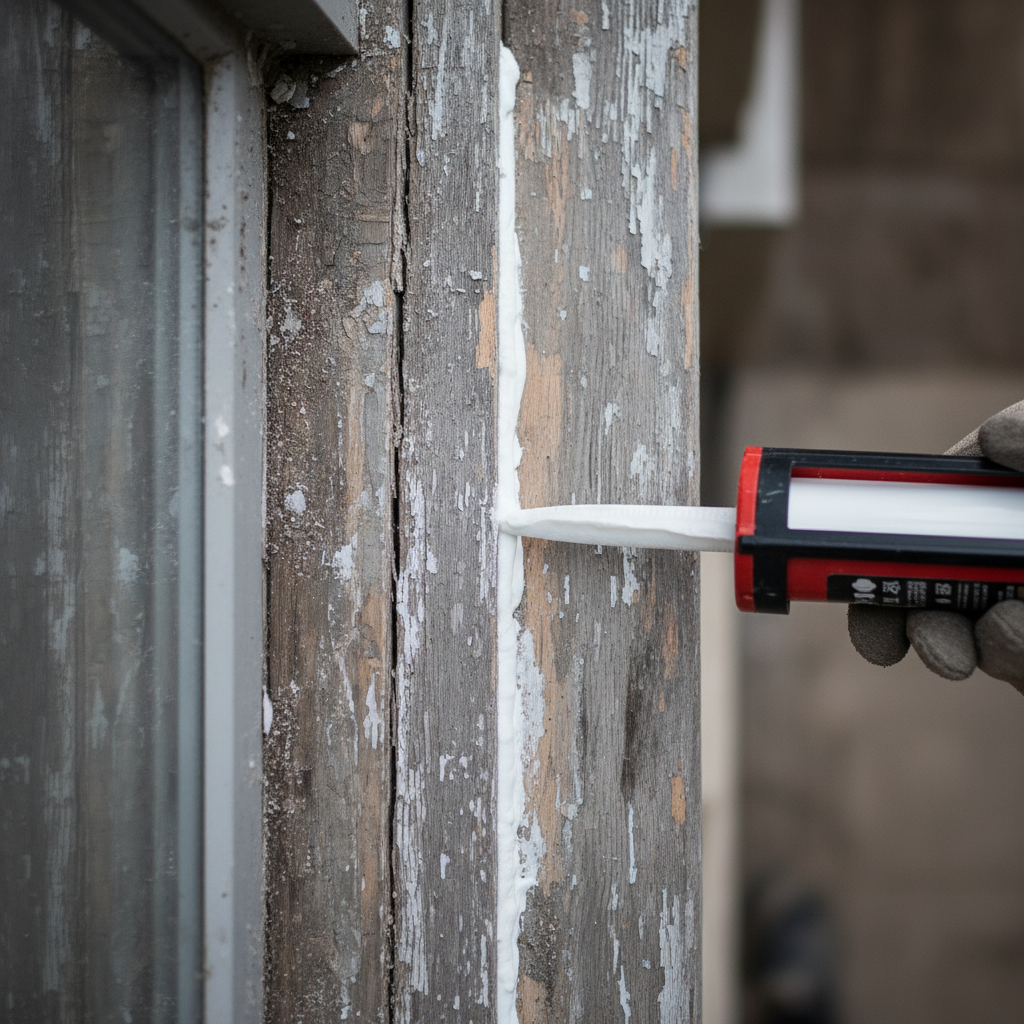
Once you have identified a problem, the next question is almost always the same: can this be repaired, or does it need full replacement? The answer depends on where the failure is, not just how bad it looks.
Repair is usually the right call when:
The glass itself is intact and the issue is limited to weatherstripping, hinges, or latch hardware
The frame is structurally sound, with no soft wood or visible rot
The window is under 15 years old and showing isolated wear rather than systemic failure
Replacement is the right call when:
Condensation has appeared between the panes; the sealed unit cannot be restored, only replaced
Frame rot or structural damage is present, particularly in the wood-frame homes common across older Toronto neighbourhoods
Energy bills stayed high after weatherstripping was already repaired, pointing to a deeper seal or glazing failure
The windows are single-pane or early double-pane units without Low-E coating
One situation sits outside this framework entirely: emergency damage. A storm-broken pane or a window compromised during a break-in needs immediate securing before any replacement can be planned or scheduled. Fixnclean offers emergency window services across the GTA around the clock for exactly these situations, providing a secure temporary solution while a full assessment and replacement are arranged. When deciding on timing for your window repair and replacement services, that distinction between urgent safety needs and planned upgrades matters as much as the repair-versus-replace question itself.
Is It Worth Replacing 20-Year-Old Double Glazing in Ontario
The repair-versus-replace framework above assumes something is visibly wrong. But there is a different question worth asking: what if your 20-year-old double-pane windows look fine and function normally? Are they still worth replacing?
For most Toronto homeowners, the honest answer is yes, and the reason comes down to what those windows were made from. Double-pane units manufactured in the early 2000s used aluminium spacer bars between the panes, which conduct cold readily and create thermal bridging at the edges of the glass. They also predated the widespread use of Low-E coatings and argon or krypton gas fills, both of which are now standard in quality replacement windows. A window can look intact and still be underperforming significantly compared to what current technology offers.
In Toronto's climate, that performance gap is measurable. Upgrading from older double-pane units to modern double or triple-pane windows with Low-E coating and gas fills can reduce heat loss through the glass by 30 to 50 percent. Given how hard Ontario furnaces work through January and February, that reduction translates directly into lower natural gas and electricity bills. Ontario energy prices have risen considerably over the past decade, which compresses the payback period for this kind of upgrade compared to what it would have been in 2010 or 2015.
It is also worth checking current rebate availability from Enbridge Gas and Toronto Hydro, both of which have offered incentives for energy-efficient window upgrades at various points. Programs change, but they can meaningfully offset upfront costs when they are active.
If your windows are approaching or past the 20-year mark, the question of window repair and replacement services is not just about what is broken. It is about what you are quietly losing every heating season to technology that has been surpassed.
The Best Time of Year to Replace Windows in Toronto
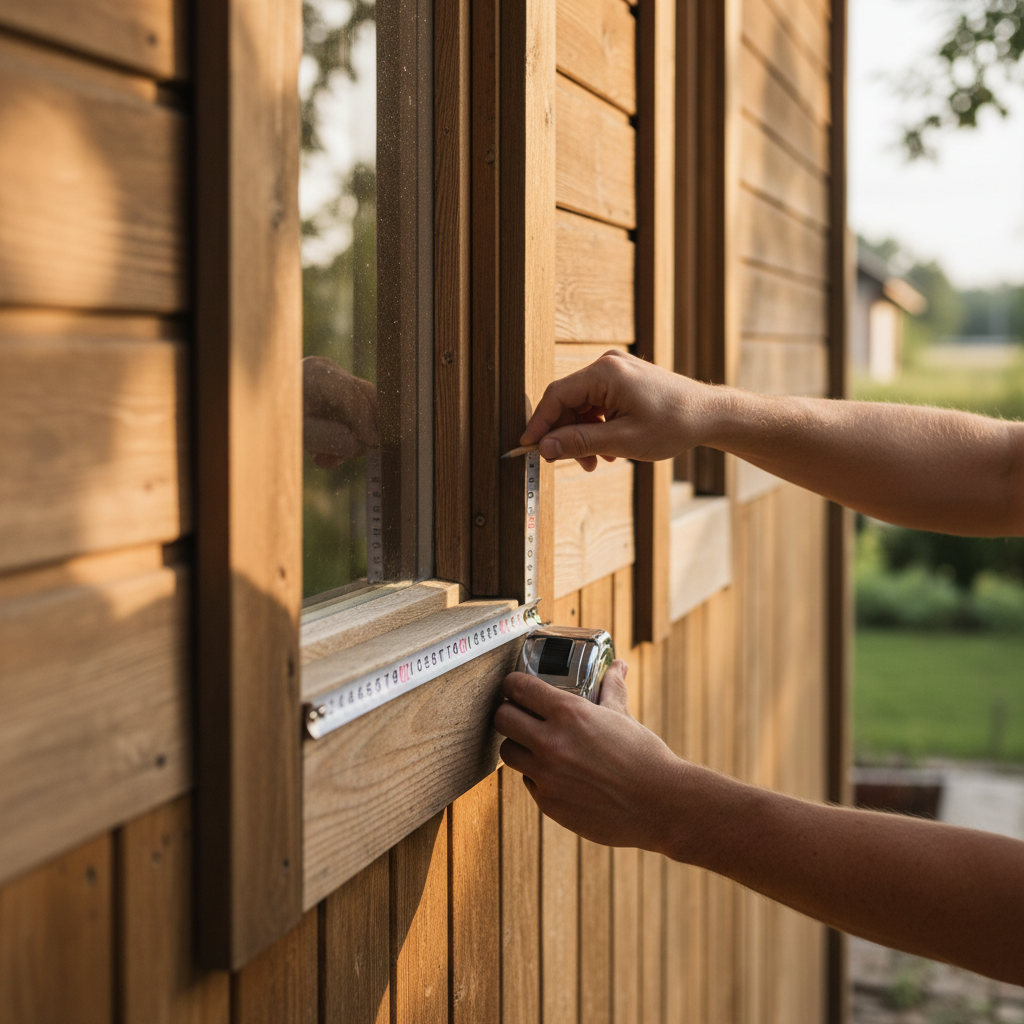
Knowing when to replace windows in Toronto involves more than reading the warning signs; timing the installation itself affects both quality and cost.
Spring and fall are the practical sweet spots for window replacement in the GTA. Mild temperatures in the 10°C to 20°C range allow sealants and caulking compounds to cure properly, and frames settle into their installed dimensions without the stress of extreme heat or cold. Summer works too, but it is peak season across the industry, which means longer lead times on orders and tighter installer availability.
Late fall and early winter do sometimes bring off-peak pricing as residential demand drops. If your windows are in reasonable shape and you are planning an upgrade rather than responding to a failure, that timing can make sense.
The honest tradeoff: if your windows are already showing seal failure or significant drafts heading into a Toronto winter, holding out for a discount will likely cost you more in heating bills than you would save. A window losing meaningful heat through January and February does not pause while you wait for a better contractor quote.
Winter installation is entirely viable when handled professionally. It requires extra attention to sealing techniques and managing temperature exposure during installation, which is standard practice for experienced crews doing window repair and replacement services year-round across the GTA.
What to Expect from a Window Replacement in the GTA: Process and Cost Overview
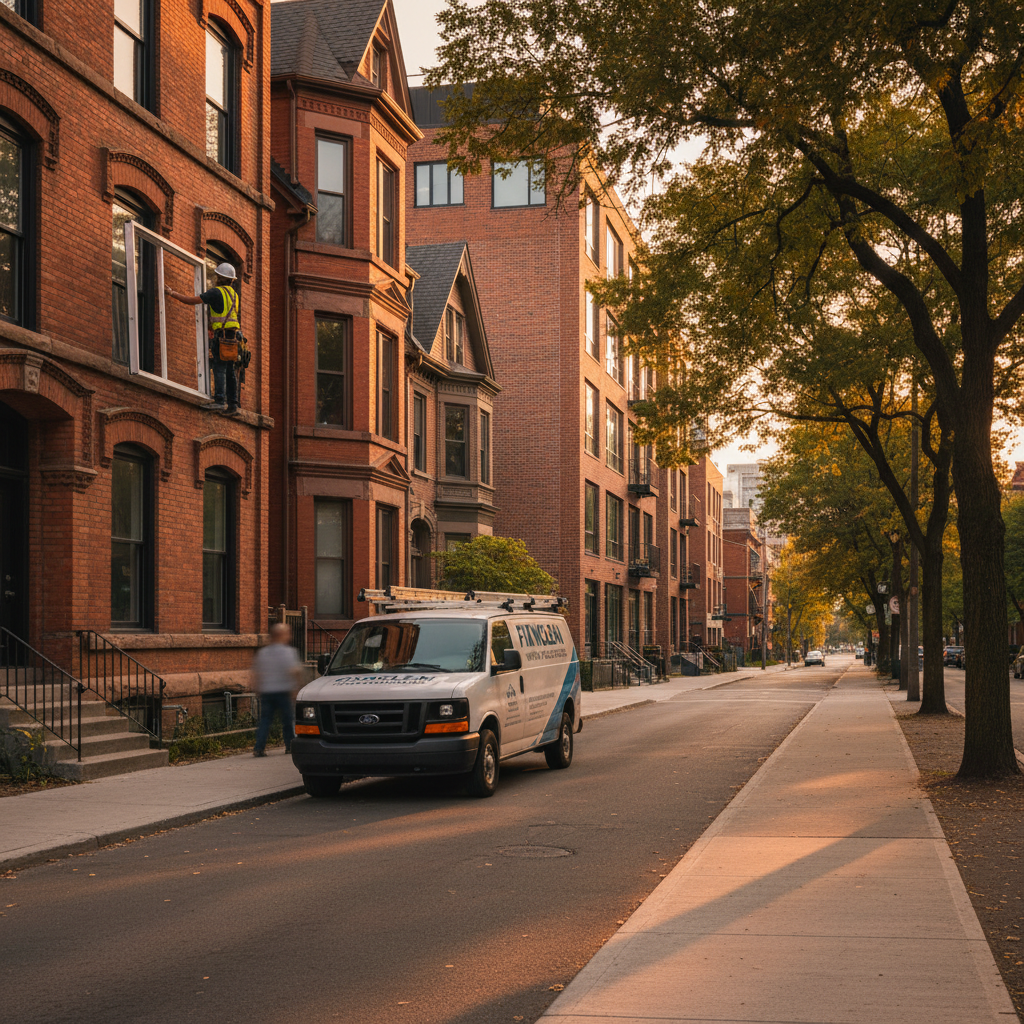
Once you have decided replacement is the right move, the next practical question is what the process actually involves and what shapes the cost.
Window replacement cost in Toronto and across the GTA varies considerably based on four main factors: window size, window type (casement, double-hung, fixed, sliding), number of units being replaced, and frame material. Replacing a single standard casement in a suburban Mississauga semi sits in a very different cost range than replacing eight custom-sized units in a century home in Cabbagetown or Leslieville. Heritage properties throughout The Junction and older parts of Scarborough frequently have non-standard rough opening dimensions that require custom-ordered units, and that custom sizing adds to both material costs and lead time.
The installation process itself follows a consistent sequence: precise measurement of existing openings, ordering units to fit, removal of the old windows, installation of the new units, sealing and flashing, and a final inspection to confirm everything closes, locks, and seats properly.
That last step matters more in Toronto than in milder climates. Improper sealing during installation reintroduces exactly the drafts, condensation, and energy loss that made replacement necessary in the first place. A window installed without correct flashing or sealant curing will fail prematurely, especially through the freeze-thaw stress of a GTA winter. Professional installation through window repair and replacement services is not just a convenience; in this climate, it is what makes the investment hold.
Get a Free Window Assessment from fixnclean Across the GTA
All of that process and investment holds only when it starts with an accurate diagnosis. Guessing whether your windows need repair or full replacement risks spending money in the wrong direction, either patching something that needs replacing or replacing something that a targeted repair would have fixed.
Fixnclean offers free window assessments for homeowners across the GTA, from North York and Scarborough to Etobicoke and Mississauga. A professional inspection gives you a clear, honest answer grounded in what is actually happening with your frames, seals, and glazing. Our service areas across Toronto and the GTA cover the full range of housing stock, including the heritage properties and non-standard configurations that complicate straightforward assessments.
For urgent situations, our emergency window services across the GTA are available around the clock. Reach out to fixnclean to schedule your free assessment.
Identifying the right time to upgrade your windows is essential for maintaining your home's energy efficiency and comfort. By keeping an eye out for drafts, visible damage, or rising utility bills, you can make an informed decision that saves you money in the long run. If you find the assessment process overwhelming or simply want expert help to ensure your windows are in top condition, you might consider professional assistance. You can learn more about how we can support your home maintenance needs through our professional services to keep your property looking its best.